

For or Against Civil Rights

The Voting Rights Act of 1965 was signed by Lyndon B. Johnson banning discrimination in voting practices that were adopted in the South. This Act enforced the 15th Amendment stating that, "the right of the citizens of the United States to vote shall not be denied or abridged by the United States or by any state of account of race, color, or previous condition of servitude. Restrictions soon came into play preventing African Americans to vote. These restrictions included poll taxes and literacy tests. People marched in Bloody Sunday held on March 7, 1965 to have the right to vote and it took 95 years for the voting rights to actually be enforced.
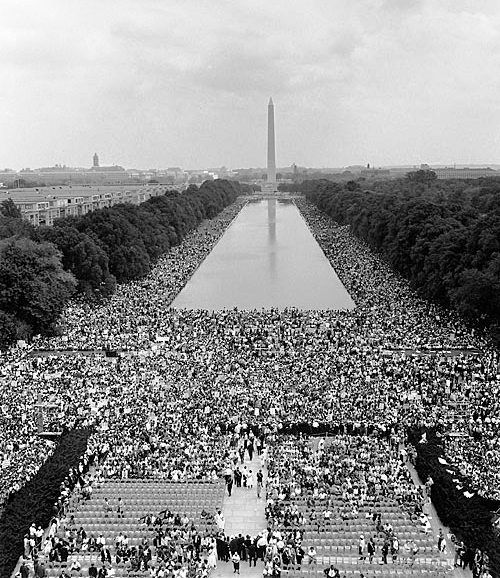
The Civil Rights Act of 1964 stated that segregation on the grounds of race, religion or national origin was banned at all places of public accommodation. No longer could blacks or other minorities be denied service because of their skin color. John F. Kennedy first proposed this act in 1973 and it was said to be the most comprehensive civil rights legislation up to this date.
The Fair Housing Act was passed in 1968 shortly after MLK's assassination. This is a federal act in the U.S. intended to protect the buyer or renter from seller or landlord discrimination. It has seven protected classes that include: race, color, religion, sex, handicap, familial status and national origin.



Comments